Precision Redefined: Unleashing the Power of Laser Cutting Machines
In an era where precision and efficiency are paramount, the Laser Cutting Machine stands out as a revolutionary tool that has transformed various industries. From manufacturing to arts and crafts, laser cutting technology has redefined how materials are processed, offering unparalleled accuracy and versatility. In this article, we will explore what laser cutting machines are, how they work, their applications, and the benefits they bring to various sectors.
What is a Laser Cutting Machine?
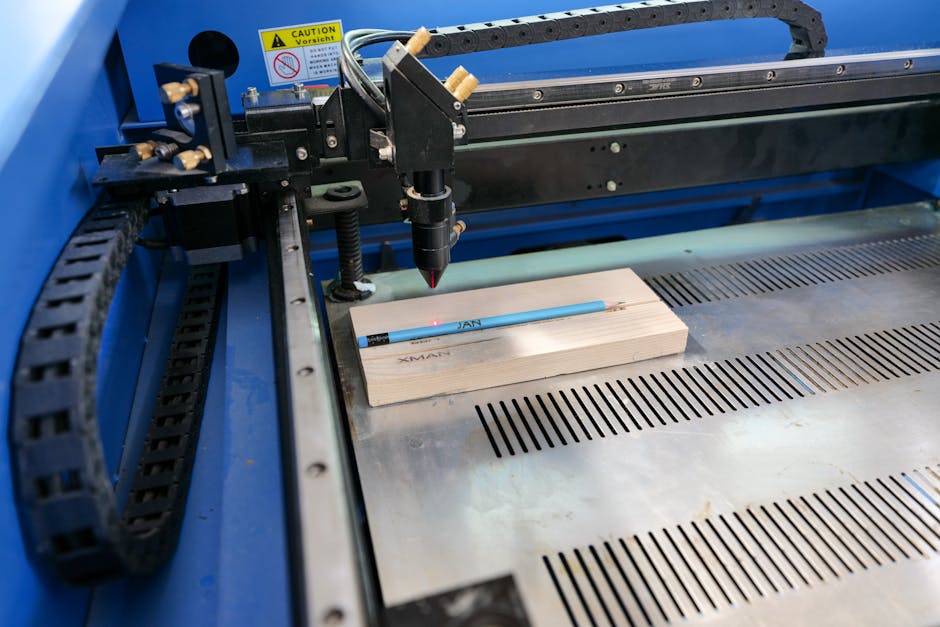
A Laser Cutting Machine is a device that uses a high-powered laser beam to cut materials with extreme precision. The process involves directing the laser beam onto the material, where it melts, burns, or vaporizes the material along a predetermined path. The result is clean edges and intricate designs that would be difficult to achieve with traditional cutting methods.
Types of Laser Cutting Machines
Laser cutting machines can be categorized into several types based on their technology and application:
-
CO2 Lasers: These are the most common type of laser cutting machines, using carbon dioxide gas as the medium. CO2 lasers are particularly effective for cutting non-metal materials such as wood, acrylic, and plastics.
-
Fiber Lasers: Fiber lasers utilize a solid-state laser technology that offers high efficiency and is ideal for cutting metals. They are known for their speed and precision, making them suitable for industrial applications.
-
YAG Lasers: Yttrium Aluminum Garnet (YAG) lasers are another type used primarily for metal cutting. They are often employed in precision applications such as medical device manufacturing.
How Does Laser Cutting Work?
The operation of a laser cutting machine involves several steps:
-
Design: The first step is to create a digital design of the item to be cut using CAD (Computer-Aided Design) software.
-
Setup: The design is uploaded to the laser cutting machine's software, which controls the laser's movements and settings based on the material's type and thickness.
-
Cutting Process: The machine directs the laser beam onto the material. The focused beam generates enough heat to melt or vaporize the material, creating a precise cut. Assist gases, such as oxygen or nitrogen, may be used to improve the cutting quality and speed.
-
Finishing Touches: After cutting, the machine may perform additional processes, such as engraving or marking, to add details to the finished product.
Applications of Laser Cutting Machines
Laser cutting machines have a broad range of applications across multiple industries, including:
1. Manufacturing
In the manufacturing sector, laser cutting is used to create complex components for machinery, automotive parts, and electronics. The precision of laser cutting reduces waste and increases production efficiency, making it an ideal choice for mass production.
2. Aerospace
The aerospace industry demands high precision and lightweight components. Laser cutting machines are used to manufacture parts with intricate designs while maintaining structural integrity, ensuring safety and performance in flight.
3. Architecture and Construction
Laser cutting technology allows architects and construction professionals to create detailed models and prototypes. It can also be used to cut materials for building facades, decorative elements, and custom signage.
4. Fashion and Textiles
In the fashion industry, laser cutting machines are used to cut fabric with high precision, allowing for intricate patterns and designs. This technology also enables the creation of unique textiles that stand out in the market.
5. Arts and Crafts
Artists and crafters utilize laser cutting machines to produce custom artwork, signs, and decorations. The ability to create detailed and personalized designs has opened new avenues for creative expression.
Benefits of Using Laser Cutting Machines
The advantages of incorporating a laser cutting machine into operations are numerous:
1. Precision and Accuracy
Laser cutting machines are known for their ability to produce highly accurate cuts. This precision is crucial in applications where tolerances are tight, ensuring that components fit together seamlessly.
2. Versatility
Laser cutting machines can work with a wide variety of materials, including metals, plastics, wood, and fabrics. This versatility makes them suitable for diverse applications across different industries.
3. Reduced Waste
The precision of laser cutting leads to minimal material waste. The focused laser beam cuts exactly where needed, allowing for efficient use of materials and reducing costs.
4. Speed
Laser cutting machines operate at high speeds, significantly reducing production time. This efficiency is particularly beneficial in industries that require rapid prototyping and mass production.
5. Automation
Many modern laser cutting machines come equipped with automation features, such as CNC (Computer Numerical Control) capabilities. This automation reduces the need for manual intervention, increasing productivity and consistency in output.
Challenges and Considerations
While laser cutting machines offer numerous benefits, there are challenges and considerations to keep in mind:
1. Initial Investment
The cost of purchasing a laser cutting machine can be significant, especially for high-end models. Businesses must weigh the initial investment against the potential return on investment.
2. Maintenance
Like any advanced machinery, laser cutting machines require regular maintenance to ensure optimal performance. This includes cleaning lenses, checking alignment, and replacing worn components.
3. Training
Operating a laser cutting machine requires specialized training. Employees need to understand the software, safety protocols, and material characteristics to maximize the machine's potential.
Conclusion
The Laser Cutting Machine has undeniably revolutionized the way industries approach precision cutting and manufacturing. With its ability to produce intricate designs with minimal waste and high efficiency, laser cutting technology continues to be a game-changer across various sectors. As industries evolve and demand for customization and precision increases, the role of laser cutting machines will only grow, solidifying their place as essential tools in modern manufacturing, arts, and beyond.
Whether you're a manufacturer seeking to boost productivity or an artist looking to create unique designs, embracing the power of laser cutting machines can redefine your approach to production and creativity. As technology advances, the possibilities are limitless—unlock the potential of laser cutting and watch your ideas come to life with precision and flair.